
How we use AI to give you more from your CGI budget
A practical account of where AI now sits in our production pipeline, what it can do for you as a developer, and where the limits still are.
Whether we like it or not, AI is here. You can either pretend it isn't and risk being left behind, or learn where it's genuinely useful, and where it just gets in the way.
Every software platform has added it. Every agency claims to be using it. But for most businesses, working out where AI earns its place takes time and experience. The property CGI industry is no different.
At The Pixel Workshop we've been experimenting with AI tools across our production pipeline since 2024. Some experiments didn't stick. Others changed how we work entirely. This is a practical account of where AI now sits in our CGI process, what it can do for you as a developer, and where the limits are.
AI does not replace the craft of CGI. It handles specific, time-consuming steps that previously required a full re-render, and passes the saving back to you.
How AI fits into design and visualisation workflows
For creative studios working with visual media, AI has created genuine new possibilities in the production pipeline. The most useful applications aren't about generating finished images from a text prompt. They're about accelerating the steps that happen around the core craft work: exploring variations quickly, preparing reference material faster, and processing finished images without starting from scratch.
In practical terms this means studios can produce more options in less time, give clients earlier visibility of how a project is developing, and reduce the number of revision cycles driven by a gap between what a client imagines and what they're actually looking at. That last point matters. Subjective revisions are one of the most common sources of additional cost in any CGI project. Anything that closes the imagination gap earlier in the process is a direct saving.
AI in CGI production specifically
In architectural CGI, the core production process interpreting drawings, building 3D geometry, applying materials, setting cameras and lighting remains the work of experienced artists. It requires spatial intelligence, design knowledge and a detailed understanding of how light behaves in the physical world. No current AI system does this well from architectural drawings alone.
Where AI has become genuinely powerful is in the post-render stage: taking a finished CGI and transforming it. Changing the time of day, the season, the weather conditions, the interior styling tasks that previously required going back into the 3D file and re-rendering from scratch now take a fraction of the time. That's where we've built AI into our production process, and where you see the benefit in turnaround time and cost.
We have been here before
The Pixel Workshop is one of the UK's founding CGI studios. We've been producing architectural visualisations since the early 2000s, at a time when most property developers were still commissioning hand-rendered watercolour illustrations from fine artists. Back then, a single hand-painted image of a house could take weeks and cost considerably more than a CGI does today.
The shift to 3D computer-generated imagery transformed the industry entirely. It wasn't an overnight change. Studios that understood how to use the new technology well pulled ahead of those that treated it as a passing trend. We built our business on being early adopters who took that technology seriously, as you can see from our article about the history of our company.
We see AI in exactly the same way. It's not a shortcut that replaces skill. It's a new layer of capability that, used correctly, means we can deliver more for your budget than was possible before.
Where we use AI in your project today
These are the five areas of our production pipeline where AI tools are now active. In each case the benefit to you is real, specific and measurable: a faster turnaround, a lower cost, or an output that wasn't practically available before.
Dusk versions
A dusk exterior CGI has always been one of the most effective images in a developer's marketing toolkit. Warm interior lighting against a deep blue evening sky creates an emotional response that a daytime shot rarely matches.
Previously, producing a dusk version meant resetting the camera rig, adjusting all light sources in the 3D scene and running a separate full render pass. That took hours and added cost. Today we use AI to convert a finished daytime CGI to a dusk version in a fraction of the time, with results indistinguishable from a traditional re-render.
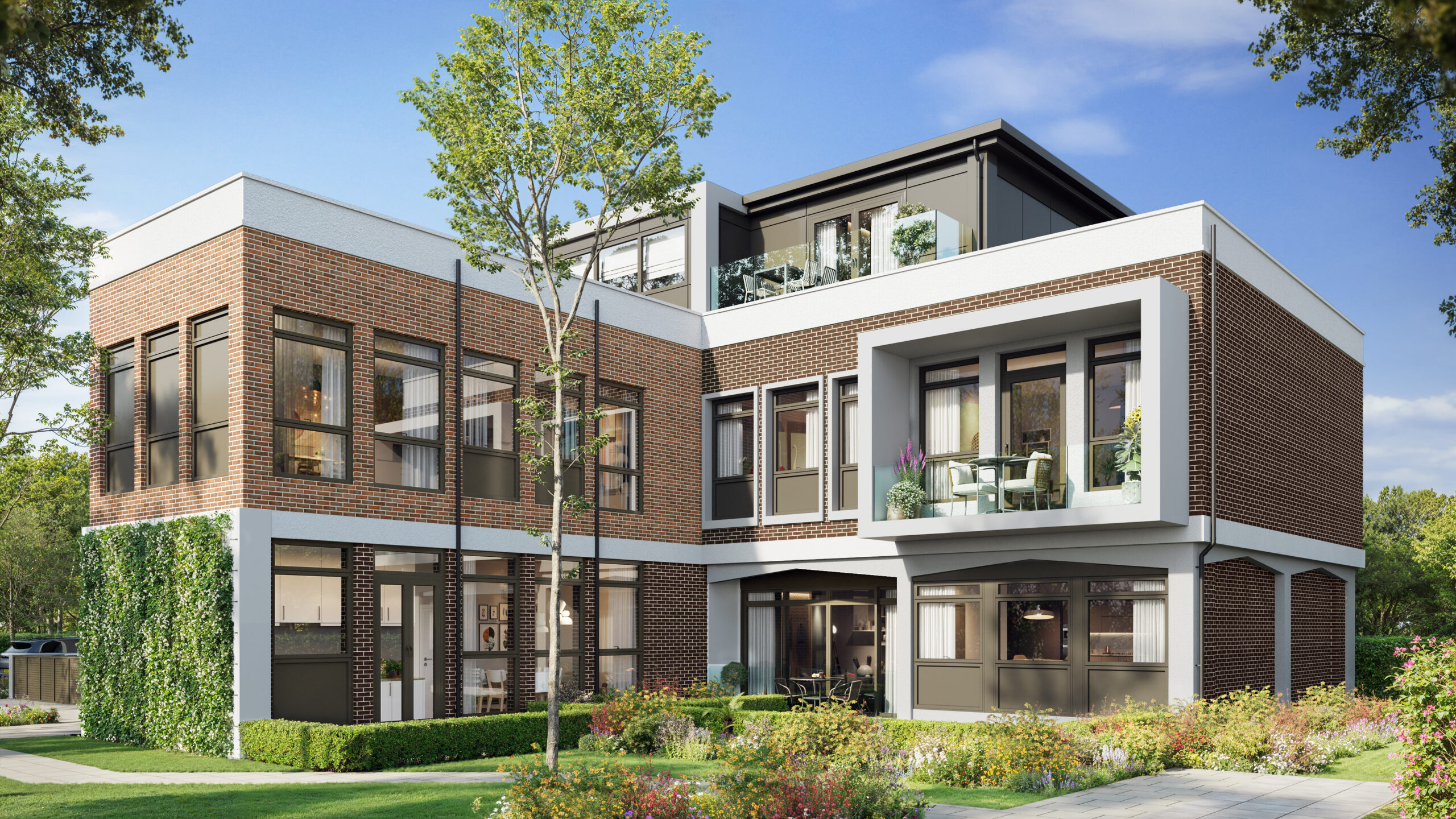
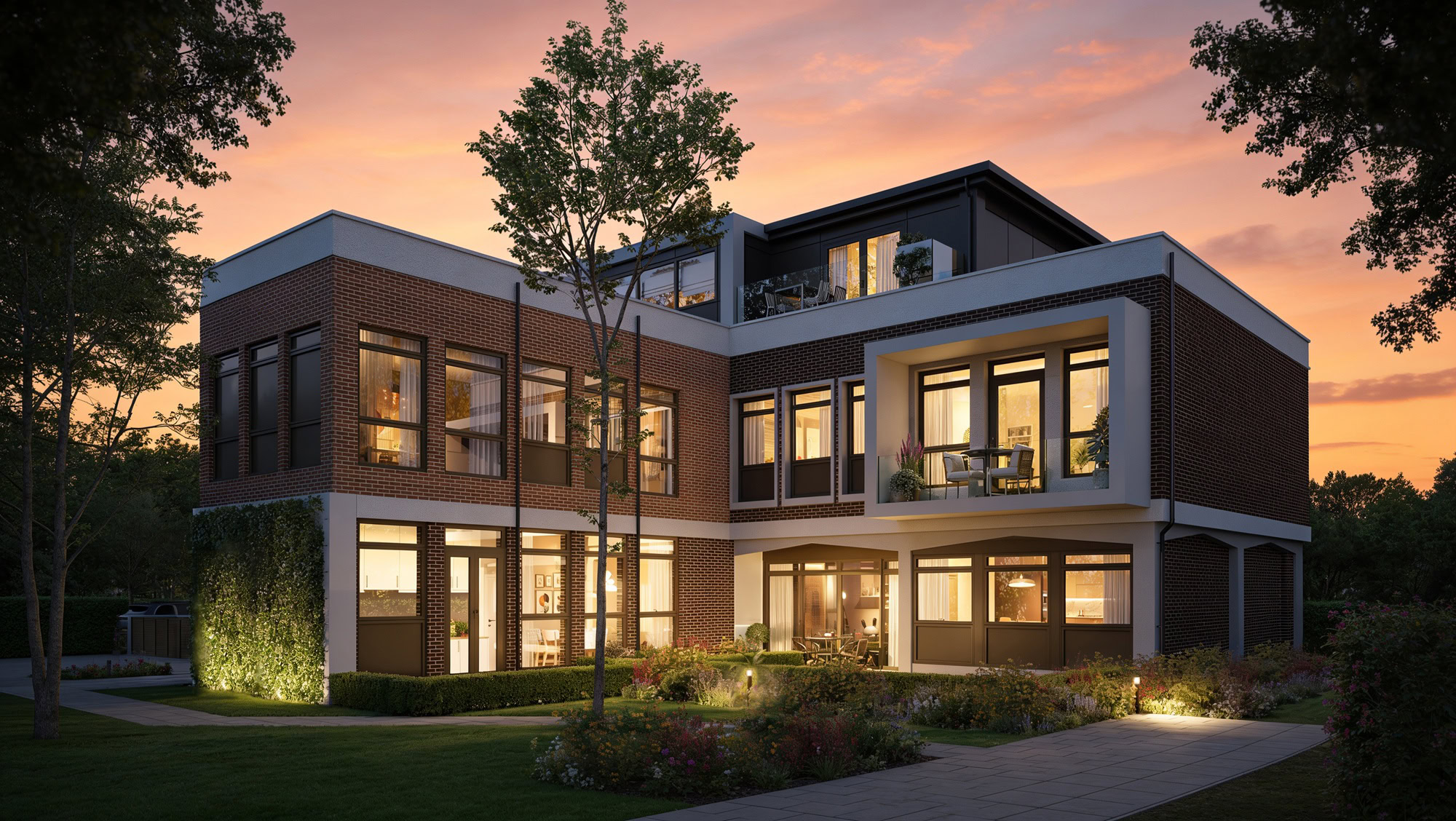
If you want a dusk version alongside your daytime exterior, we include it for a minimal fee.
Animated stills
Motion captures attention. On property portals and social media feeds, a moving image stops the scroll in a way a static CGI cannot. Traditionally, achieving this meant commissioning a full architectural animation, with editorial camera moves, transitions, and a production budget to match.
Animated stills are a faster, lower-cost alternative. We take your finished exterior or interior CGIs and use AI to introduce subtle, realistic motion, gently shifting foliage, light movement, passing clouds, that sense of a living environment. The result plays as a short looping clip, great for website headers and eye-catching property portal listings.
Moving imagery at a fraction of animation costThere's no editorial control with these animated stills, and the camera position is fixed. But for property portal listings and social content on small-to-medium developments, animated stills are an effective and affordable way to stand out.
Interior styling previews
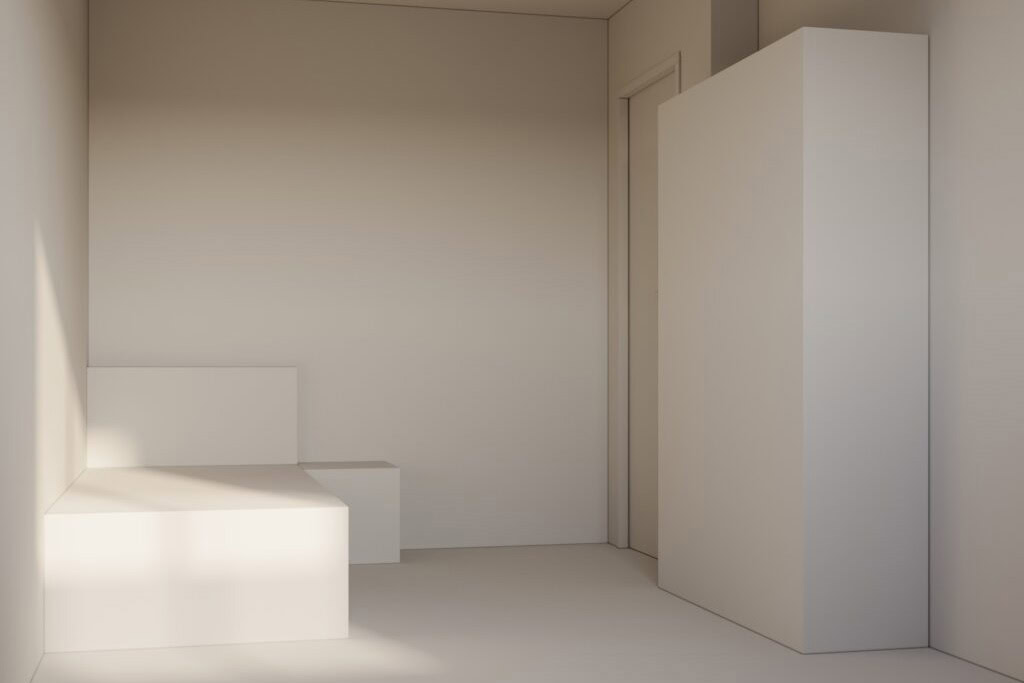
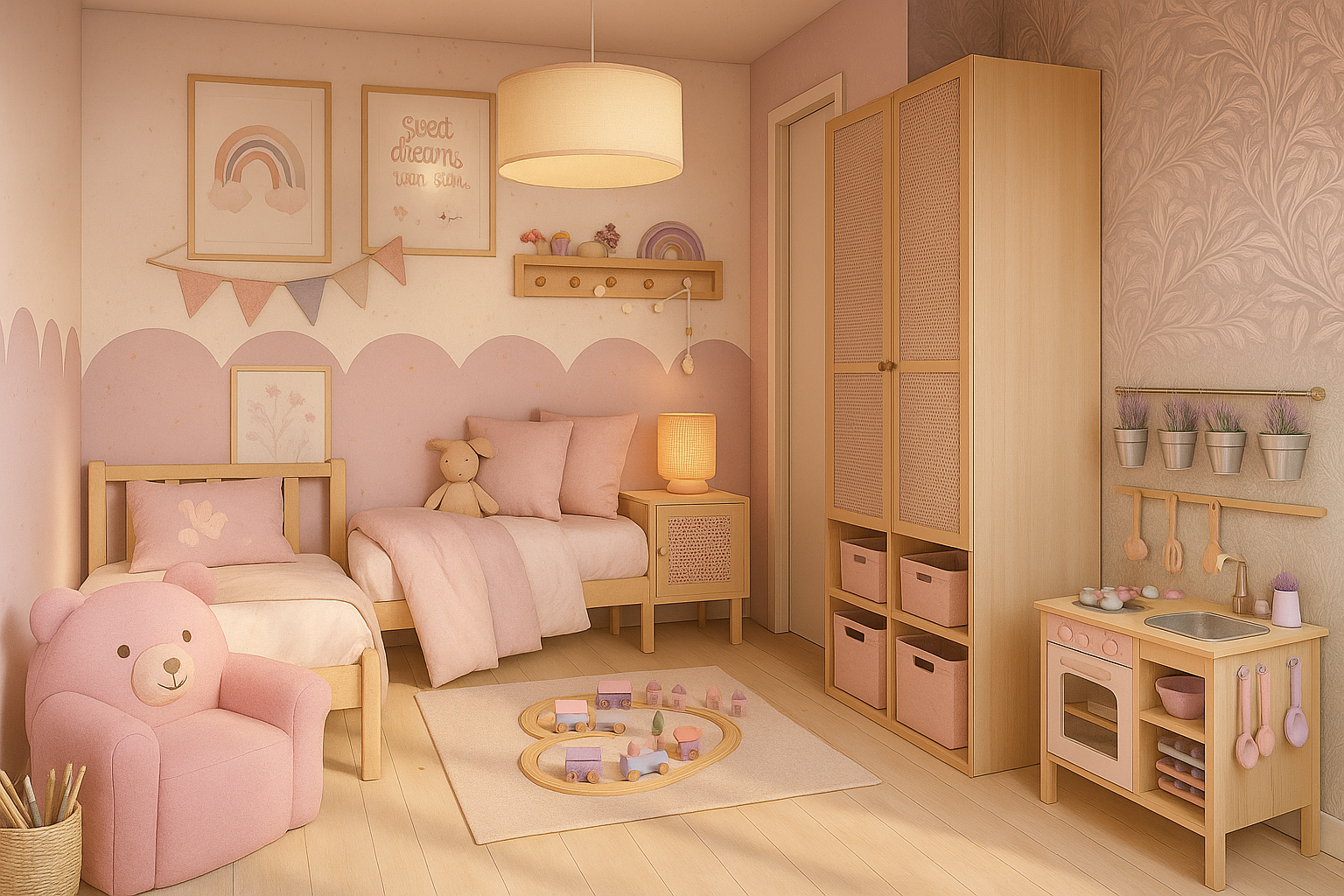
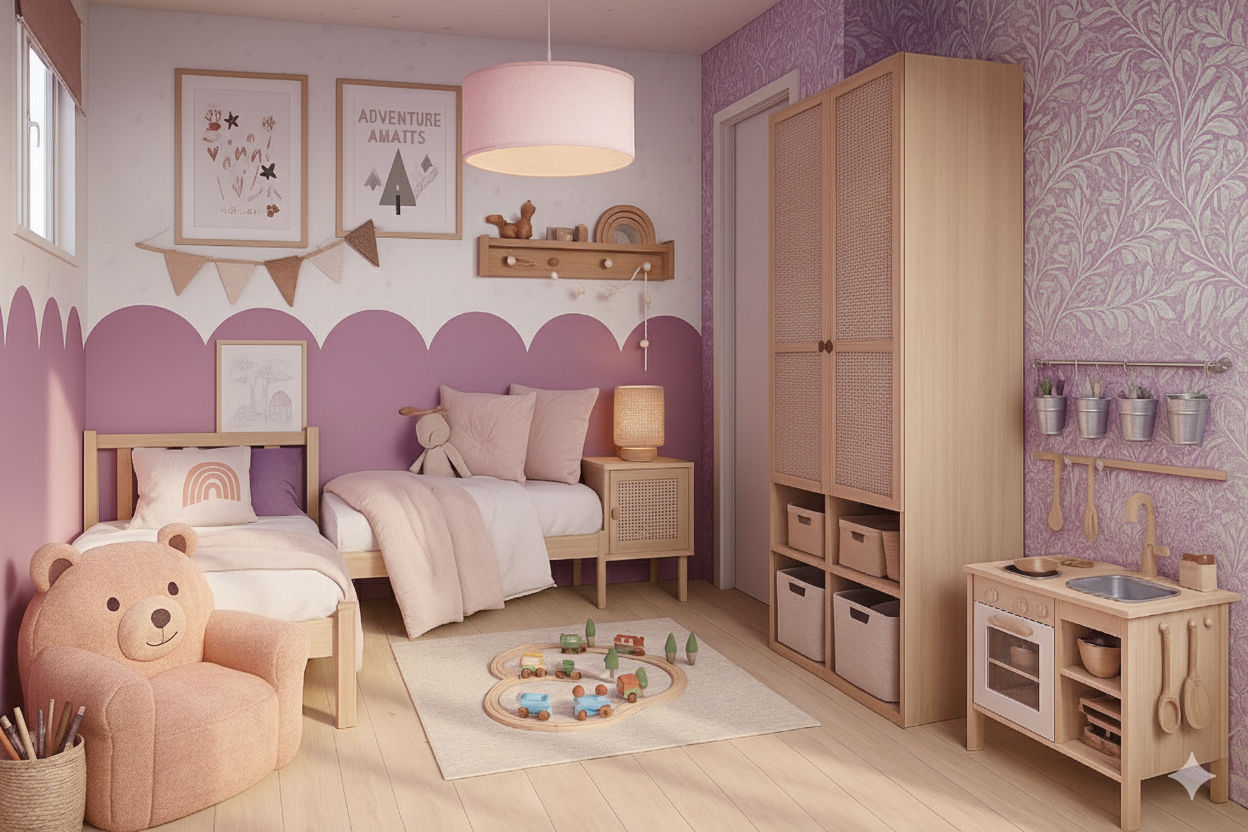
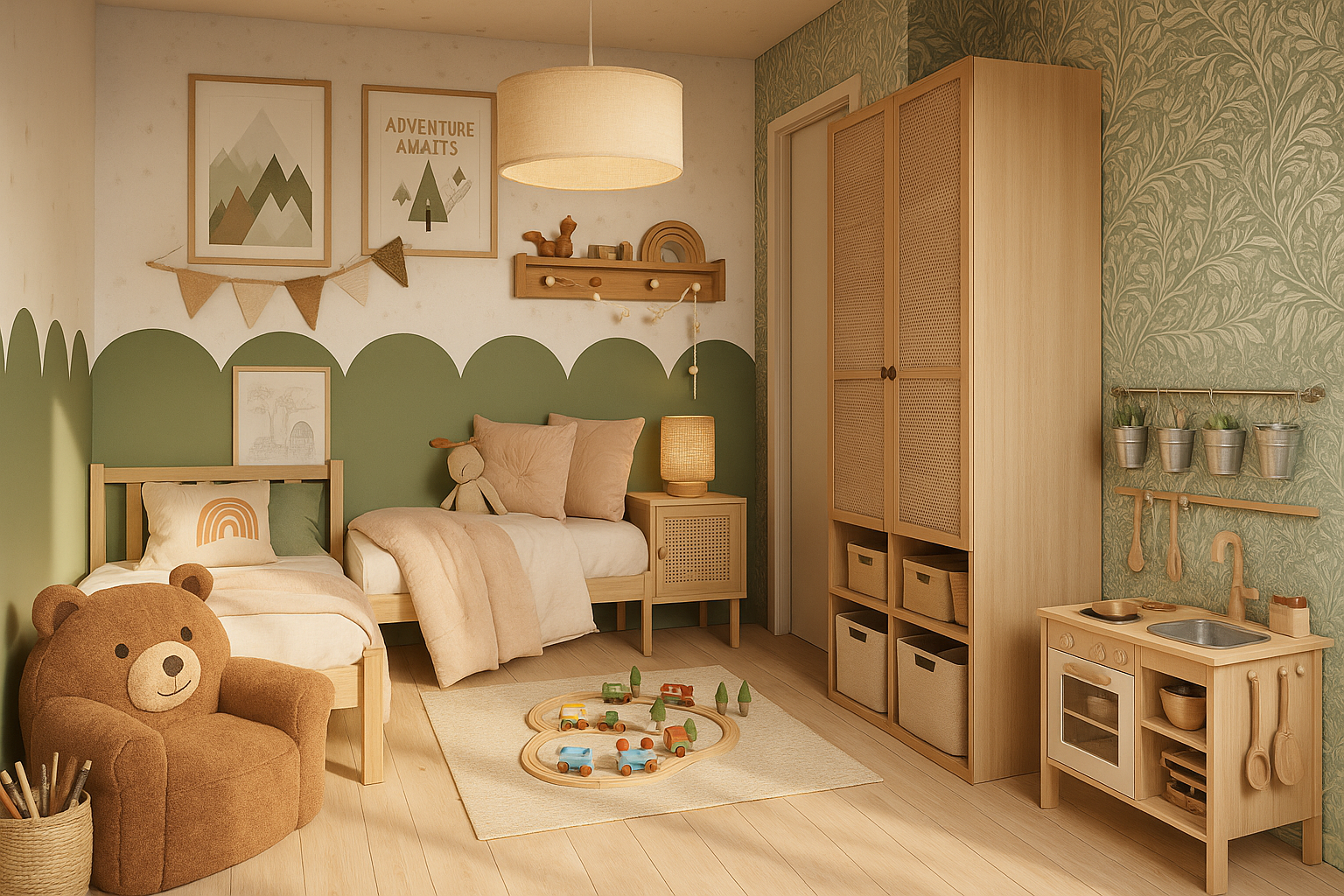
Interior CGI has always involved a subjective step that clients found difficult. We would present a mood board of styling references, you would approve a direction, and then we would build the full 3D interior. The problem was that the gap between a mood board and the finished image still required a leap of imagination. Revisions driven by "this isn't quite what I pictured" were common and could be time-consuming.
We now use AI to bridge that gap before the 3D work begins. We take our white-block geometry model of your room and apply the proposed styling directly as an AI-generated mock-up. You can see the actual room in that colour palette, with those furniture proportions, in that lighting. You can request changes to colour schemes or layout direction at this stage, before any detailed 3D work has been done.
Greater creative control, fewer revision cyclesYou get more say over the look of your interior CGI, earlier in the process. We do the detailed 3D work once, with a clear brief both sides have agreed on. Styling direction changes at this stage are included at no extra cost.
Seasonal variants
A summer CGI produced in August looks out of place in a January marketing brochure. Snow-capped roofs and winter lighting can significantly improve how a development is received when it launches mid-winter. In the past, applying a winter or seasonal treatment to a finished exterior CGI required detailed manual work in post-production, often several hours per image.
AI can now apply seasonal changes to a finished CGI, adjusting foliage, ground cover, sky tone and lighting quality, in a fraction of the time. A development photographed in spring can have a winter and autumn version produced quickly and cost-effectively.
One shoot. Every season.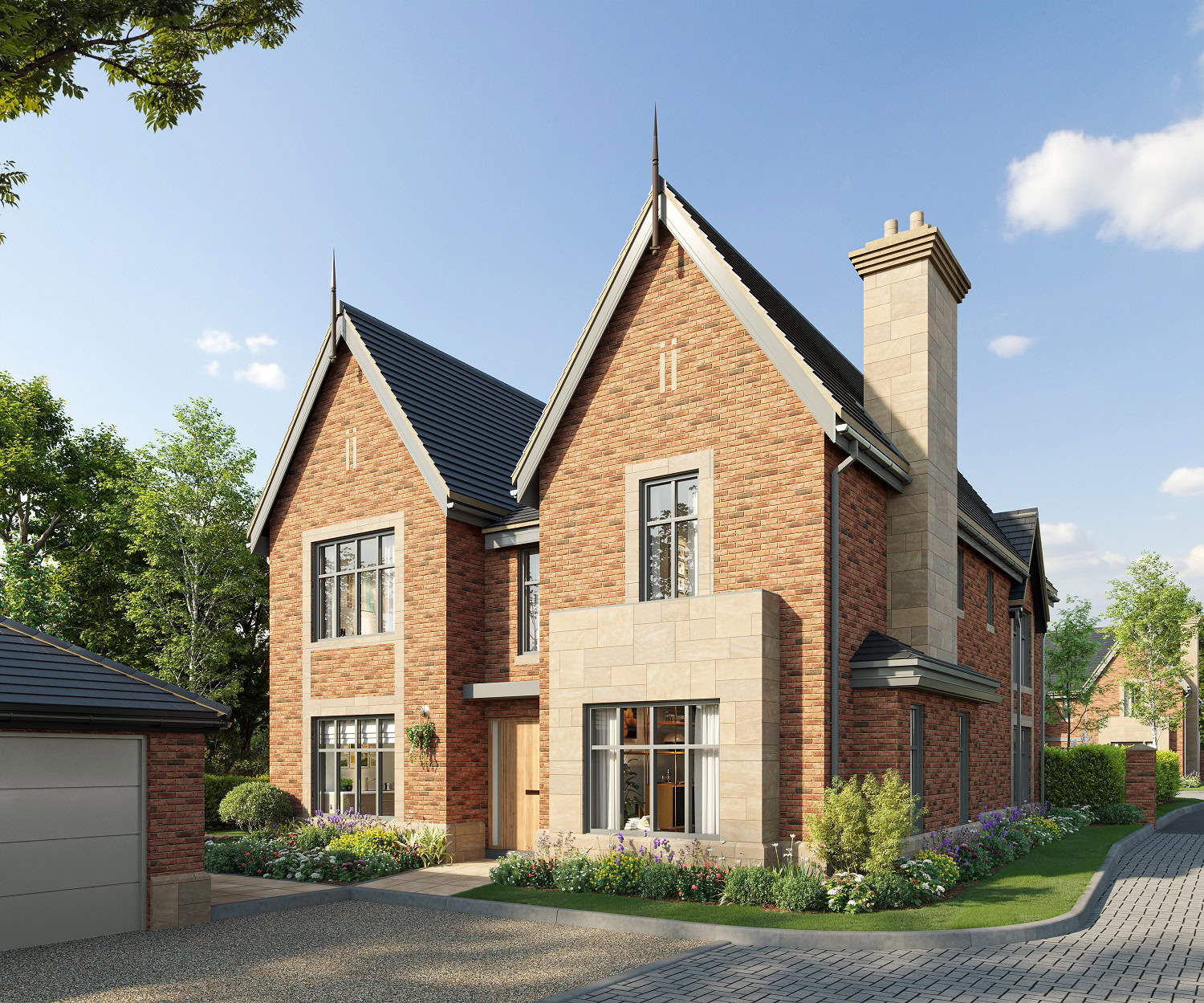

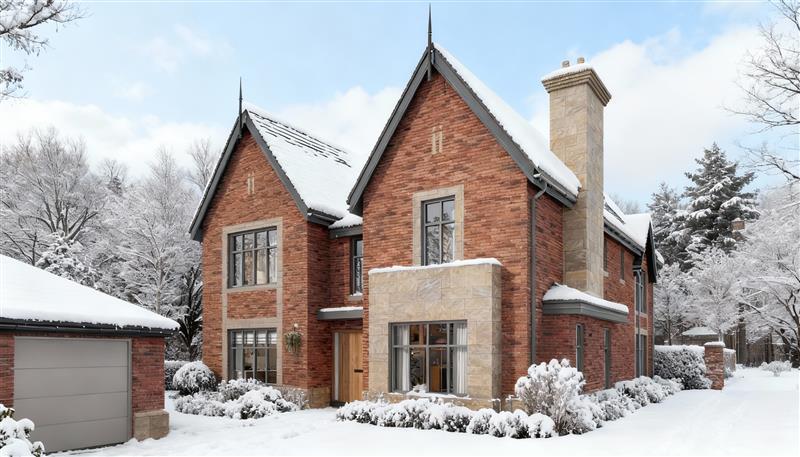
If your launch window falls in a different season to when your CGIs were produced, we can provide a seasonal variant without a significant additional investment.
Construction time-lapse
Buyers and investors engage differently with a development when they can see it being built. A construction time-lapse builds anticipation and gives your social channels a reason to post consistently throughout the build programme.
Traditionally this required either physical site cameras running throughout construction, or a full 3D animation produced by hand. Neither is cheap. AI can now generate a visually convincing impression of a construction sequence from your CGIs and plans, without waiting for the build to begin or commissioning a traditional animation.
Social content before a brick is laidAn AI-generated construction sequence isn't technically precise and isn't suitable for planning or investor documentation. What it is, is visually engaging, quick to produce, and well suited to social media and development web pages where the goal is to build interest and awareness before launch.
We keep watching, so you don't have to
AI image and video technology is moving faster than any previous wave of creative software. New tools appear monthly. Capabilities that weren't possible six months ago are now routine. Keeping up with this honestly, testing what works and discarding what doesn't, is a key part of the research and development that we, as a CGI company, can't afford not to do.
Part of our role is to track this on your behalf. Our team researches and tests new AI tools, not to replace the craft of CGI but to find the places where they reduce cost, increase speed, or create outputs that weren't previously achievable for a reasonable budget.
The five applications above are where AI sits in our production process today. If you have a specific question about how a project could benefit from any of these capabilities, the quickest route is a short conversation with our team.
Have a project in mind? Call 0161 641 9083 or send us your plans, and we'll tell you exactly where AI can save you time and budget on your specific brief.
Common questions
See where AI could stretch your CGI budget
Send us your plans, or give us a call, and we'll tell you exactly which of these five applications suit your project.
Call 0161 641 9083 →