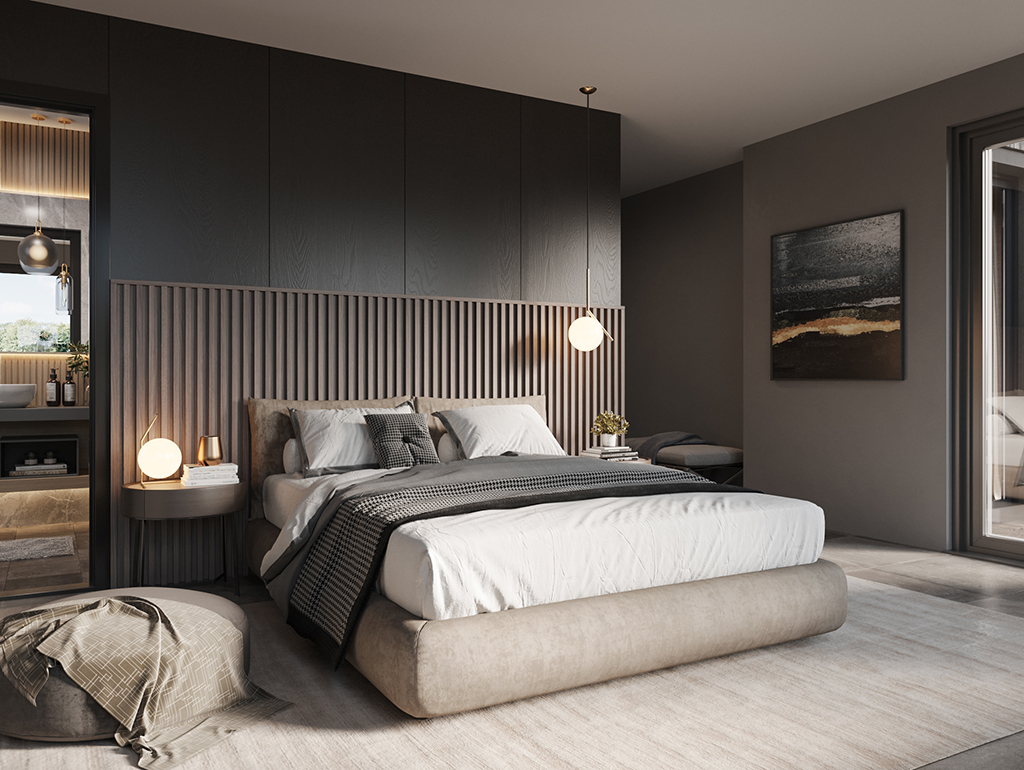
Interior CGI images and the value of styling
Why styling makes the difference between a functional interior CGI and one that sells, especially when there’s no show home.
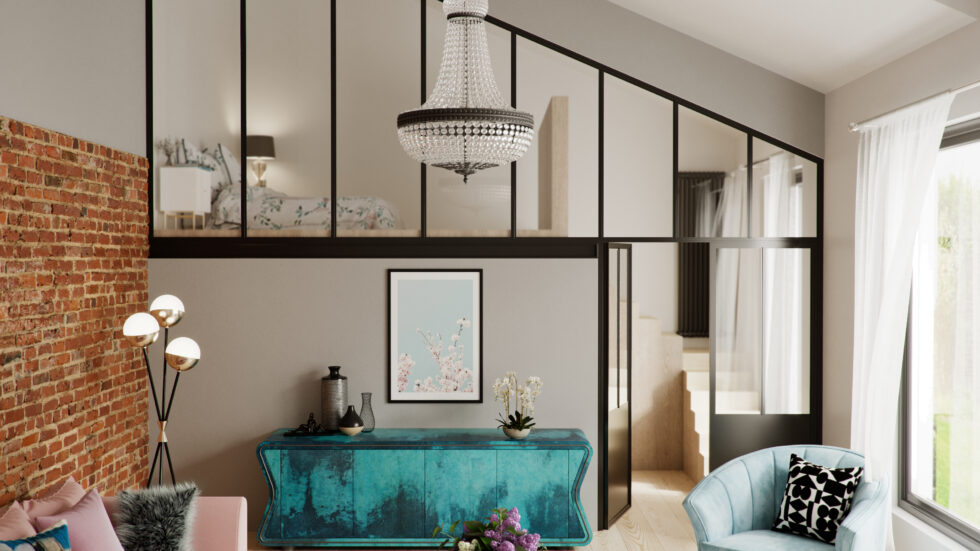
With ever-decreasing marketing budgets in a world of increasing CGI requirements, cutting back on staging show homes is starting to become a new trend, making the styling of interior images an important factor to consider.
Buyers want to see it before you’ve built it
As a property developer, your primary concerns naturally fall to the bigger issues involved in building a block of apartments: winning planning permission, selecting the right contractors for the construction work, pricing up all the materials and financing it all, not to mention keeping the build on track in the face of natural disasters, global pandemics and Brexit.
But at the same time you’ve got to make sure your build will sell in time, and in the current climate it’s more important than ever to inform potential buyers before they come to site. House hunters expect it all on a plate: they want to see what you’re building before you’ve built it, in more detail than ever before. Pre-Covid, virtual tours and fly-throughs were an added nicety; now they’re expected. House buyers want to be able to look round their future home in detail, and know all about the site before making that appointment with your sales office.
The flip side is that they arrive on site further along the sales journey than they used to. Show homes are increasingly playing host to house hunters who have already persuaded themselves that this is a home they’d like to buy. Gone are the window shoppers and walk-in passers-by coming for a nosey; they are being replaced by potential buyers who mean business.
When does a development need interior CGIs?
That’s if you’ve managed to get the marketing right. Getting it right means finding the balance between the need to inform and the need to keep a rein on the purse strings. That balance is different for every development. A client asked me the other day at what point to go for interior images. How big does a development need to be to warrant them?
There’s no simple answer, because it depends on where the development is, how likely it is to sell, who you’re selling to and what the local competition is. It depends on price point and on who your buyers are. Are they local or from out of town? Will they be buying a second or holiday home, or are they London commuters? If demand in the area is high for the price range and you’re expecting your units to fly out, get the bare minimum: a fabulous exterior hero shot and floor plans will do.
How soon do you want to start selling? If you want to sell off-plan and you’re looking at eight units or more, there’s no room for scrimping on CGI assets. You’ll need your exterior shot and a set of interior lifestyle images, and you may also want to consider a fly-through or an interactive 360 tour.
Show home or sales suite?
Lastly, are you going to have a show home or just a sales suite? Interior CGIs start working harder for you earlier on and remove the need for expensive photography at the end of the build. They also let you get the perfect shot without being limited to awkward angles that don’t do the room justice. If need be, we can sit our camera inside walls, and we can always make sure the lighting set-up shows the room at its best.
More and more property developers are choosing to do away with a staged show home in favour of an empty but finished property, with the kitchen and bathroom installed. The other rooms can be neutrally painted and carpeted to let house hunters’ imaginations run wild, making it easier for them to picture the living room with their own furniture in it. To help them along, you can blow up your beautifully styled 3D renders and hang them on the walls.
If there’s no show home, who styles the shots?
Which brings us back round to the importance of styling. If you’re not having a show home, and therefore not using an interior designer, who is going to style the shots?
Chances are you’ve got enough on your plate without worrying about what kind of cushions would look good on the penthouse living room sofa, or, for that matter, what kind of sofa it should be.
Yet it’s exactly those kinds of details that make the difference between a functional interior image and one that blows your socks off. It’s not until you start trying to style a room that you see how much goes into it. It takes skill and time to style a room aimed at a core market.
CGI artists are experts in their field. They know how to build a room set, texture it and light it, but unless they’ve had interior design training, they don’t necessarily know how to compose a shot. Where should the furniture go? What style of room would you like: Scandi, modern contemporary, urban modern? That’s fine as a starting point, but there are lots of options and variations within each broad style.
If budget is strained and you don’t have a budding stylist in the family, finding a CGI company with an in-house stylist can be the cheaper option. Some companies have in-house stylists, others charge extra to outsource, and others will work with you to create your own mood boards before committing to CG.
Whichever way is best for you, it’s an important question to ask when choosing a supplier.
Basic interior vs styled interior CGI
Compare the two images below.
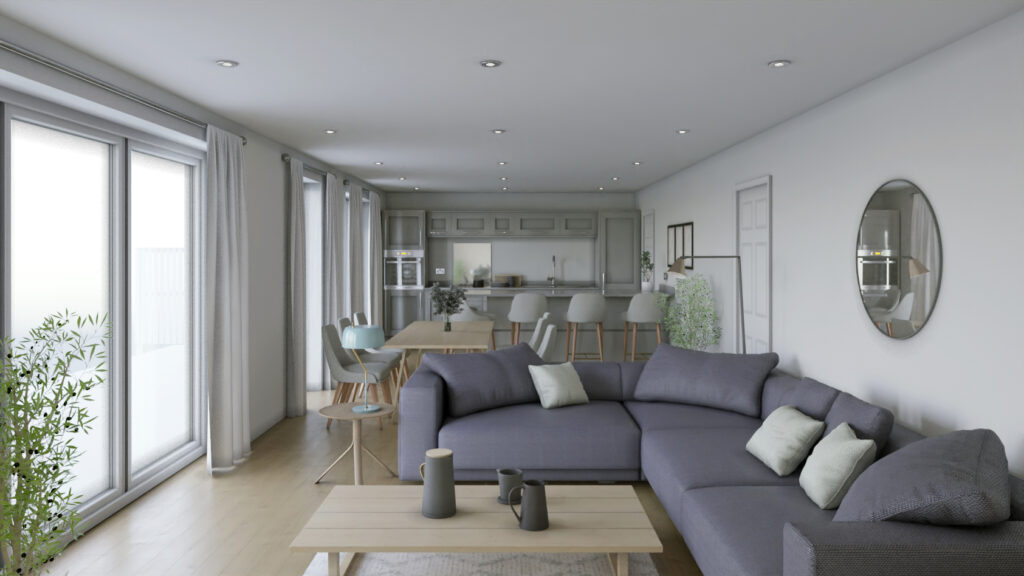
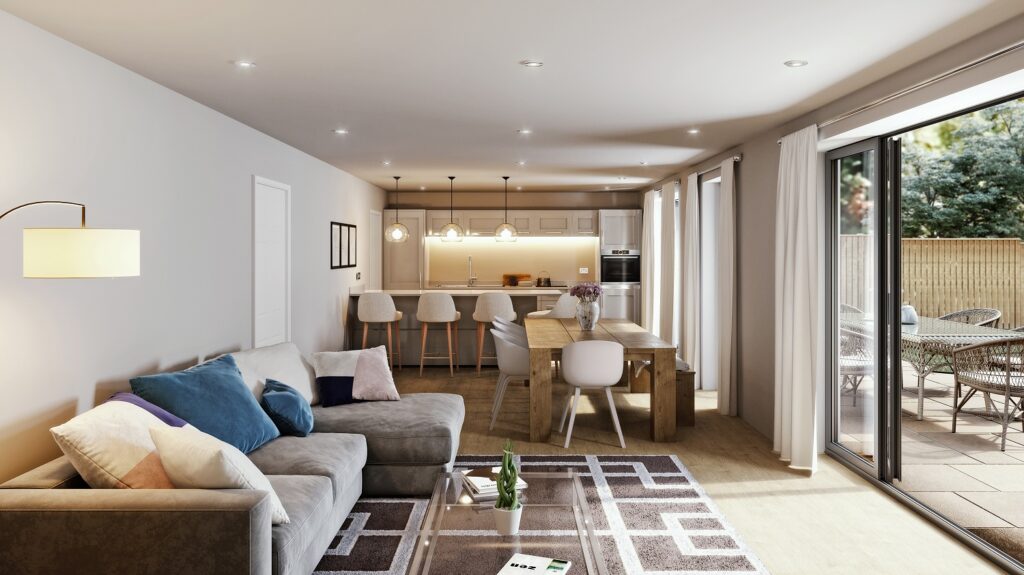
The first CGI is an early image, with functional, basic style guidelines provided by the client, and the lighting has not yet been worked on. The second image has been fully styled and lit, and the difference is clear. Our brief was to produce a clean, modern Scandi look.
Styling is crucial to the success of your marketing campaign, and it is no mean feat. So when choosing your interior CGI provider, it’s worth looking through their portfolio and quizzing them about it. Do they work from client references only, or do they input on styling? And most importantly, is the cost included?
Need CGI for your next development?
Tell us about your project and we’ll come back with a fixed price, usually the same day.